If you are enrolled in the Washington State Naturalist Program, you will need to complete field learning. The field learning component will require at least 20 hours of field study in a combination of guided or independent study. There are a few requirements on what activities need to be completed in those 20 hours as well. Please see below:
One of your activities must be professionally led
One of your activities must have a botany or forestry focus
Two of your activities must involve specialized topics such as entomology, geology, ornithology etc.
One of your activities must include learning about indigenous cultures and practices
Where you go to do this is mostly up to you. Independent learning is acceptable and encouraged– take a walk at your nearby park and choose to learn the tree species in your area, for example. Additionally, field museums, museums for Tribes, and Tribal cultural centers can count as “field learning.” Otherwise, your field learning should take place outdoors or include hands-on activities. Below, you’ll find a myriad of organizations that Naturalists from previous courses utilized to complete this requirement– click the photo or organization title to be redirected to their website.
WSU Field Tours
During each cohort, the WSU instructors for the program will organize at least 6 field tours that program participants can attend to bolster their knowledge of Washington ecosystems and complete hours to satisfy their 20-hour field learning requirement. These tours are specifically for program participants, both certified Naturalists from past cohorts and those currently enrolled and earning certification.
Past Examples
Pacific Rim Institute
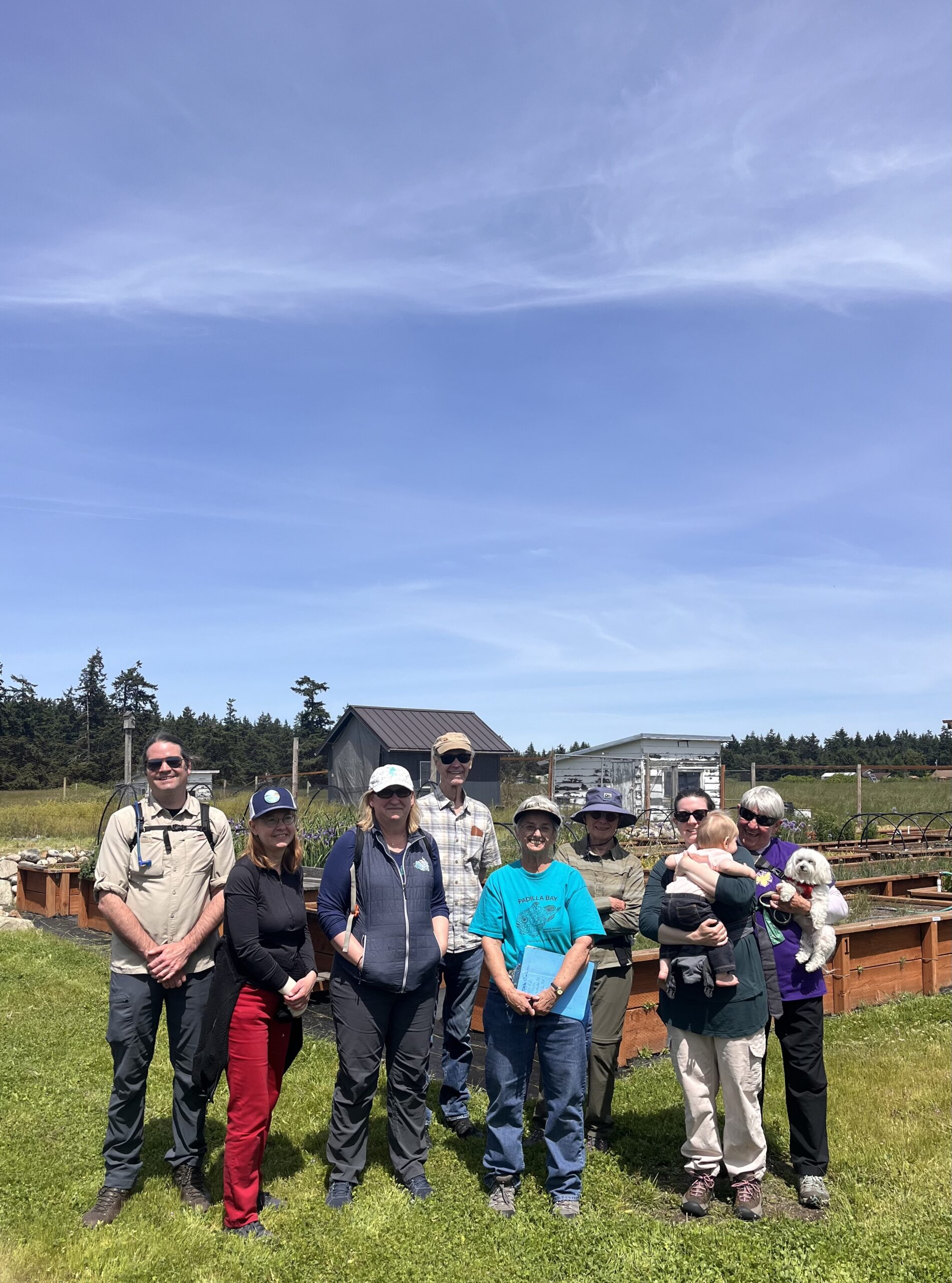
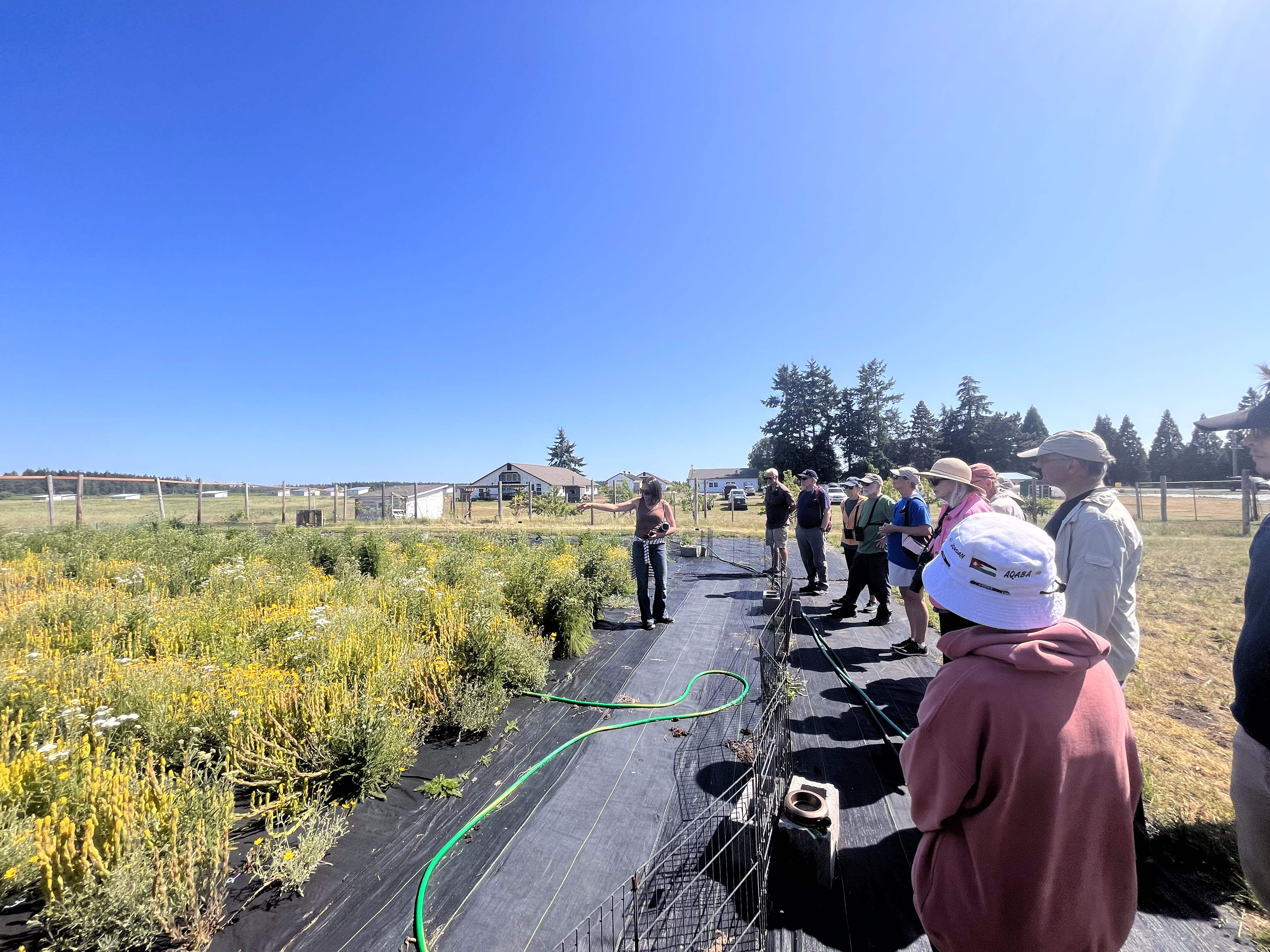
This field tour organized by the WSU Extension instructors and staff at Pacific Rim Institute on Whidbey Island. Participants view and learn about old-growth prairie, research conducted by UW on the property, cultivating native plants from seed, and more.
Edmonds Forest-to-Sound
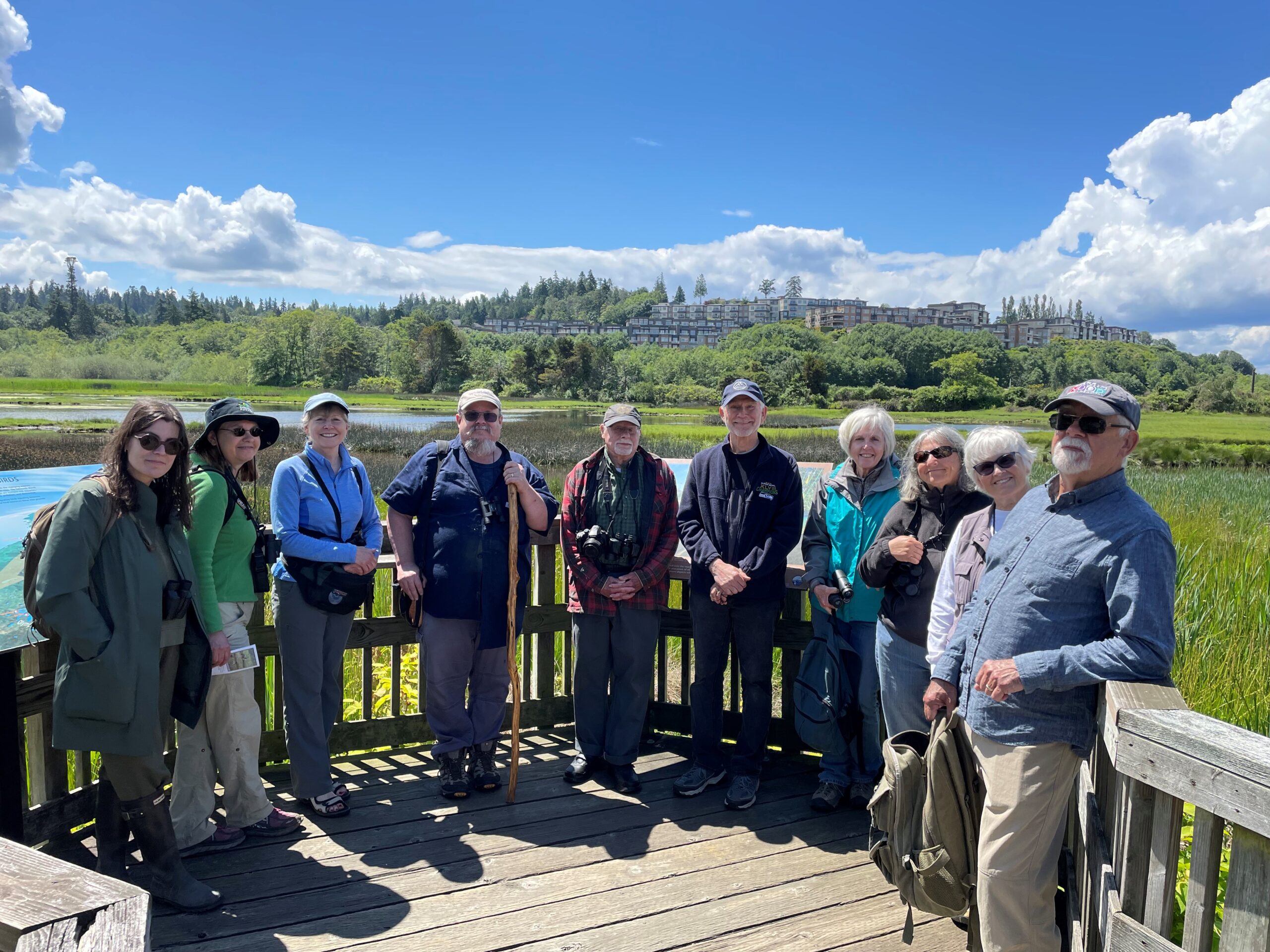
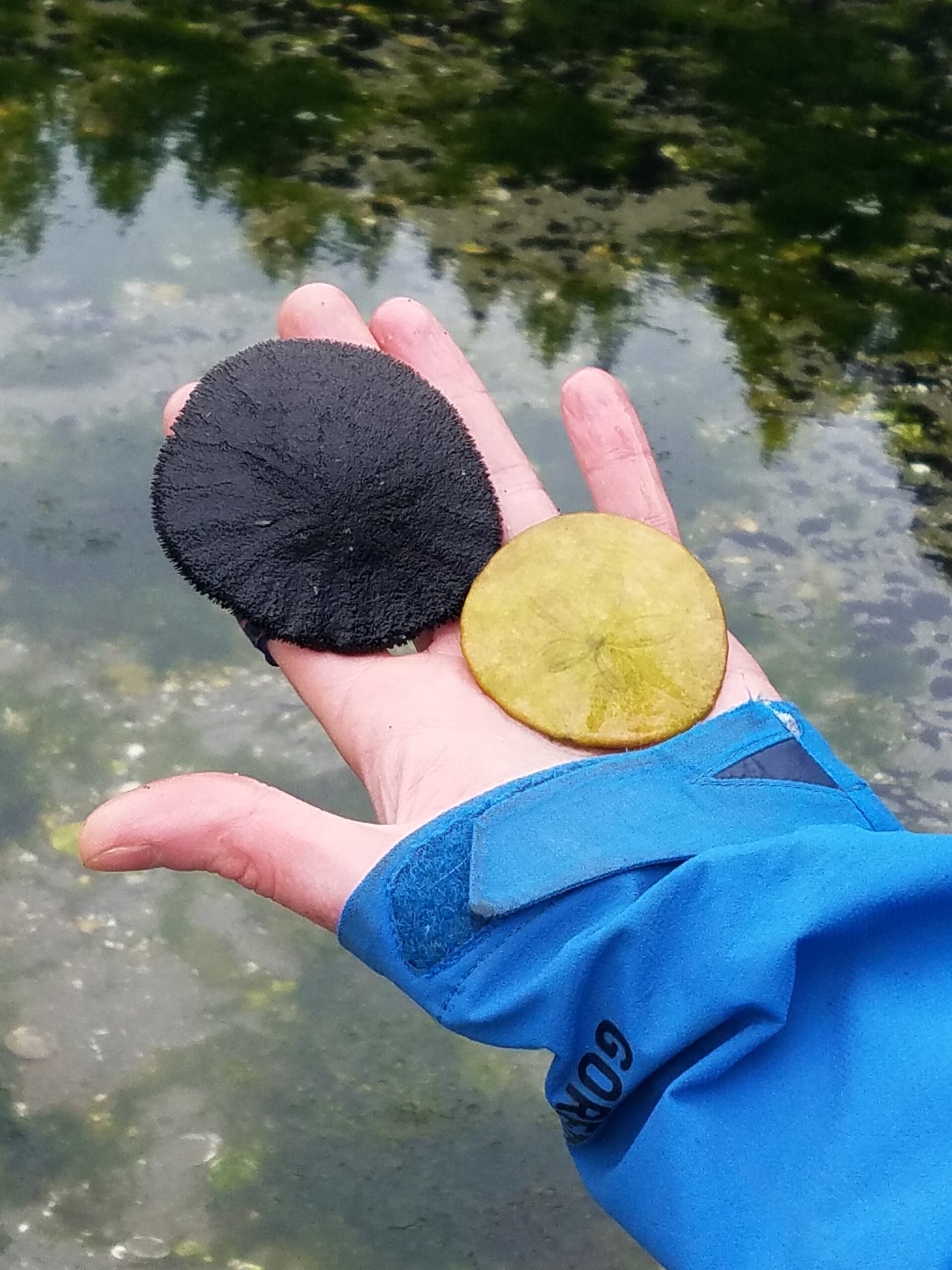
The Edmonds Forest-to-Sound field tour is led by a former city of Edmonds park ranger to explore and understand urban ecosystems. It starts with a walk and talk through Yost Park, then a stroll along the Edmonds Marsh Interpretive Walkway, and ends with tidepooling at Olympic Beach.
Elwha River Dam Restoration
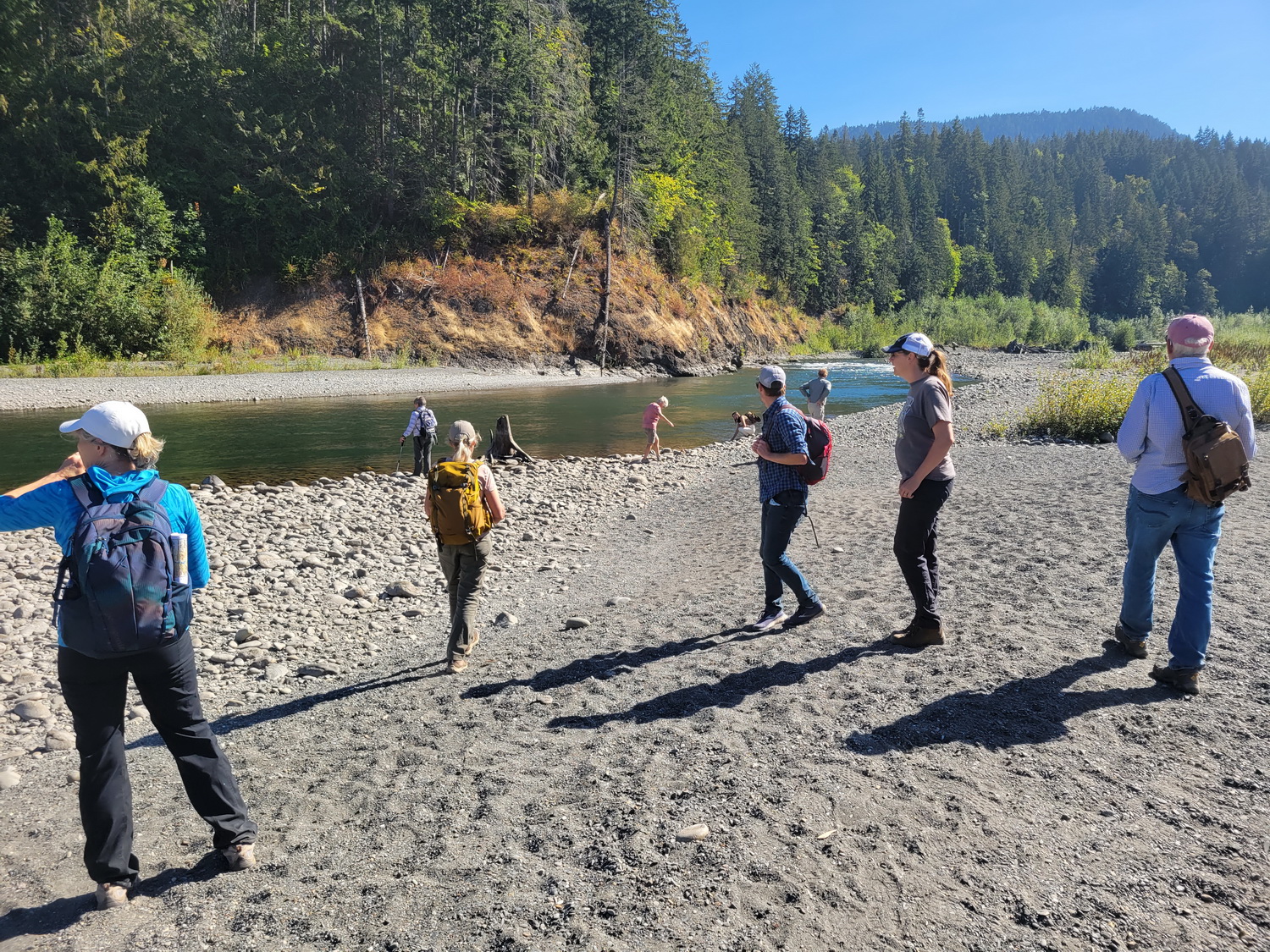
Taking place in the Olympic Peninsula, this field tour includes guest speakers from Washington Sea Grant, WSU Extension Clallam County, the Lower Elwha Klallam Tribe, and more. Typically, this is an all-day tour that visits the river’s delta and the dam removal sites upriver.
Spokane River Index of Biotic Integrity
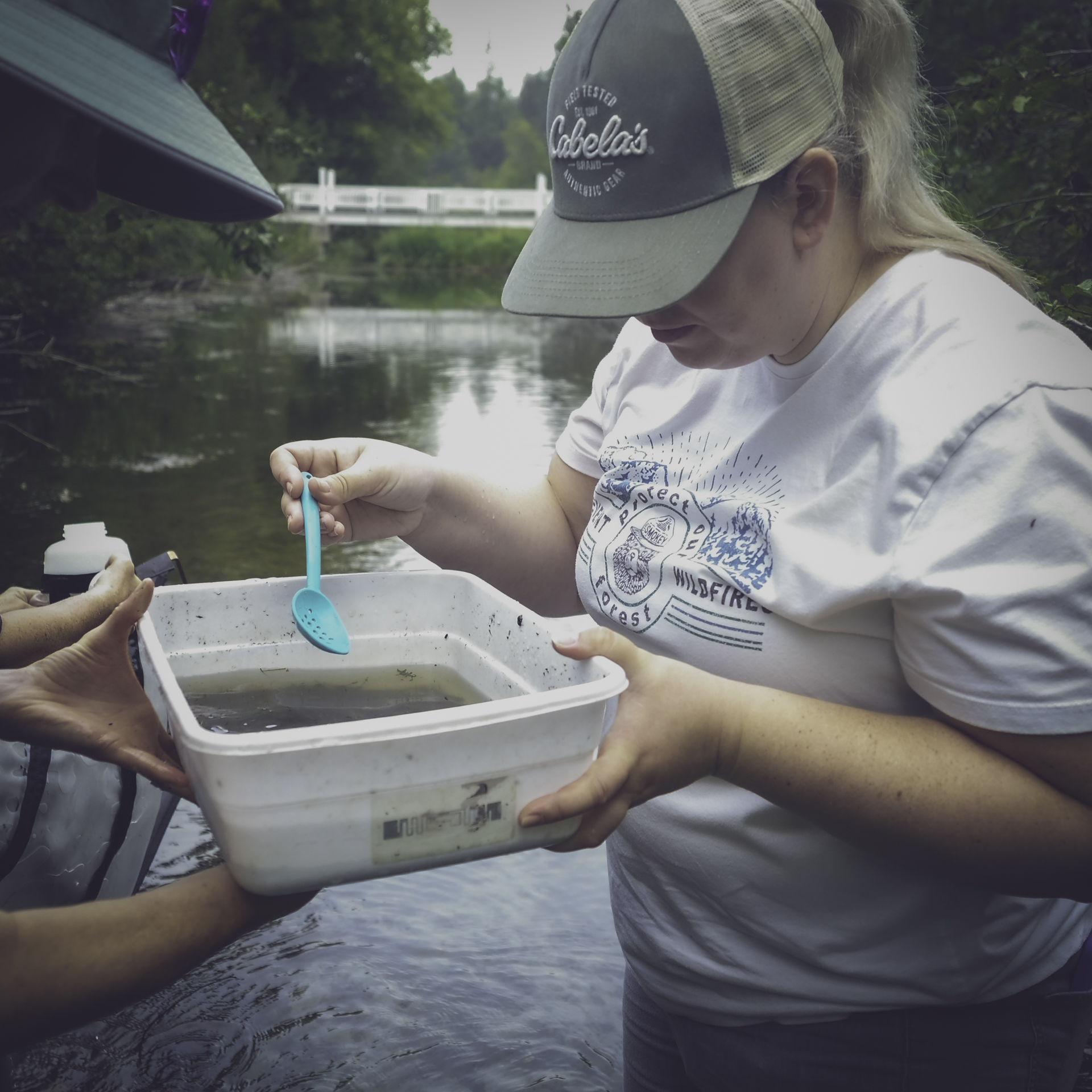
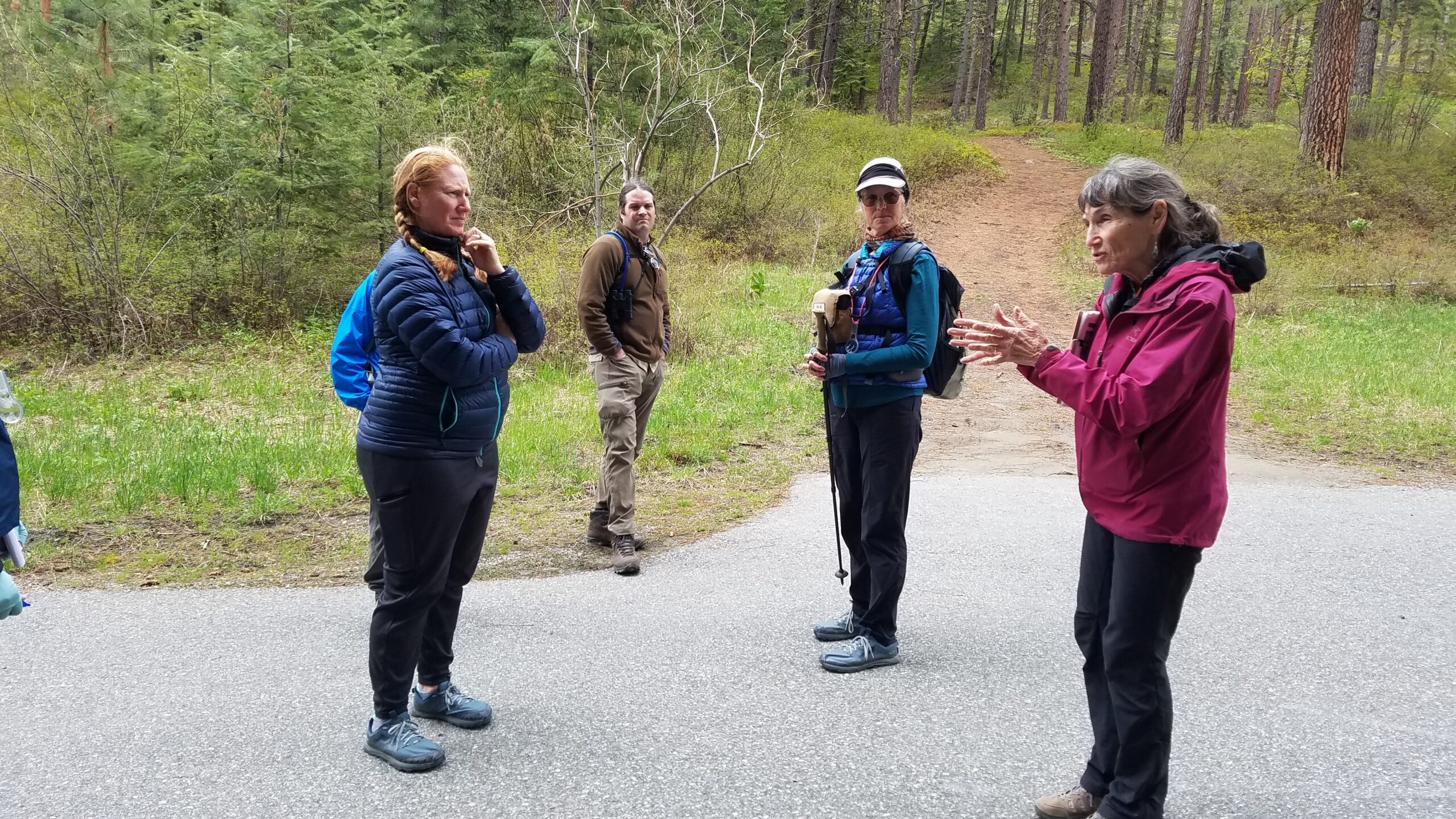
This field experience was led by Dr. Sarah Roley to teach participants how macroinvertebrate sampling can identify and classify water quality. The first iteration of this program’s IBI was completed on the Spokane River in 2024.
Foulweather Bluff
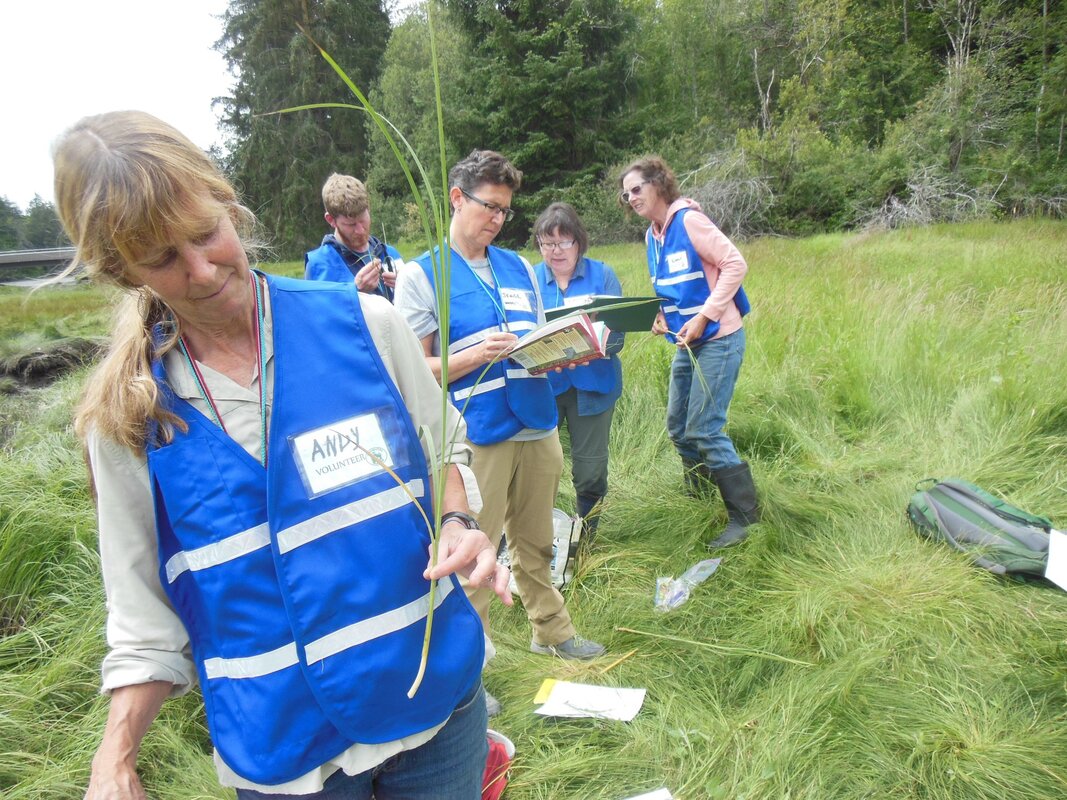
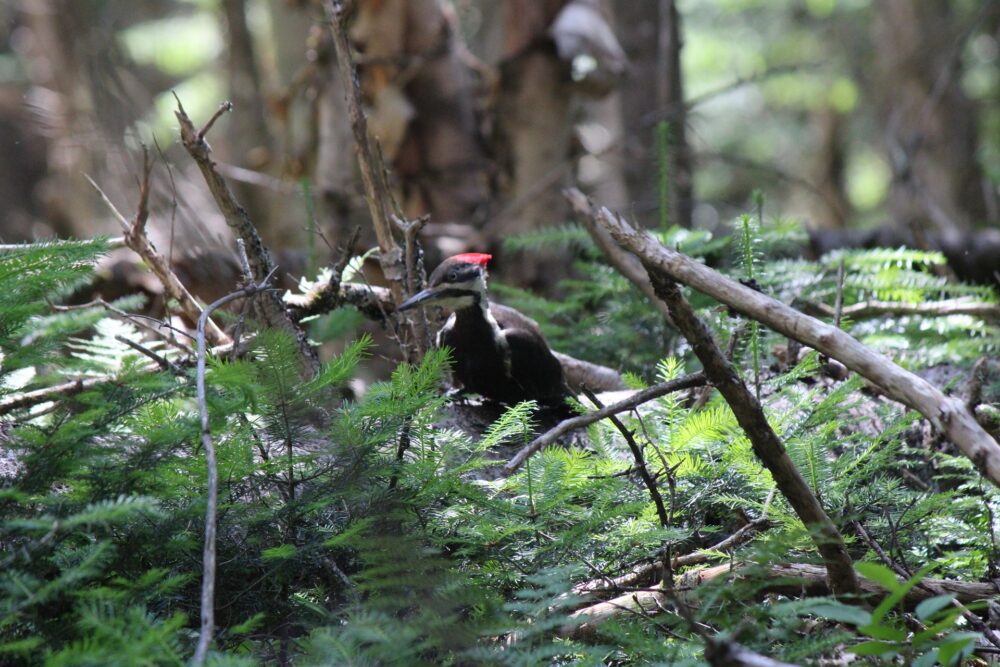
Led by biologists from WSU Snohomish County Extension, participants explore the forest, marsh, and beach in this protected area in north Kitsap County.
Dickerson Falls at Ueland Tree Farm
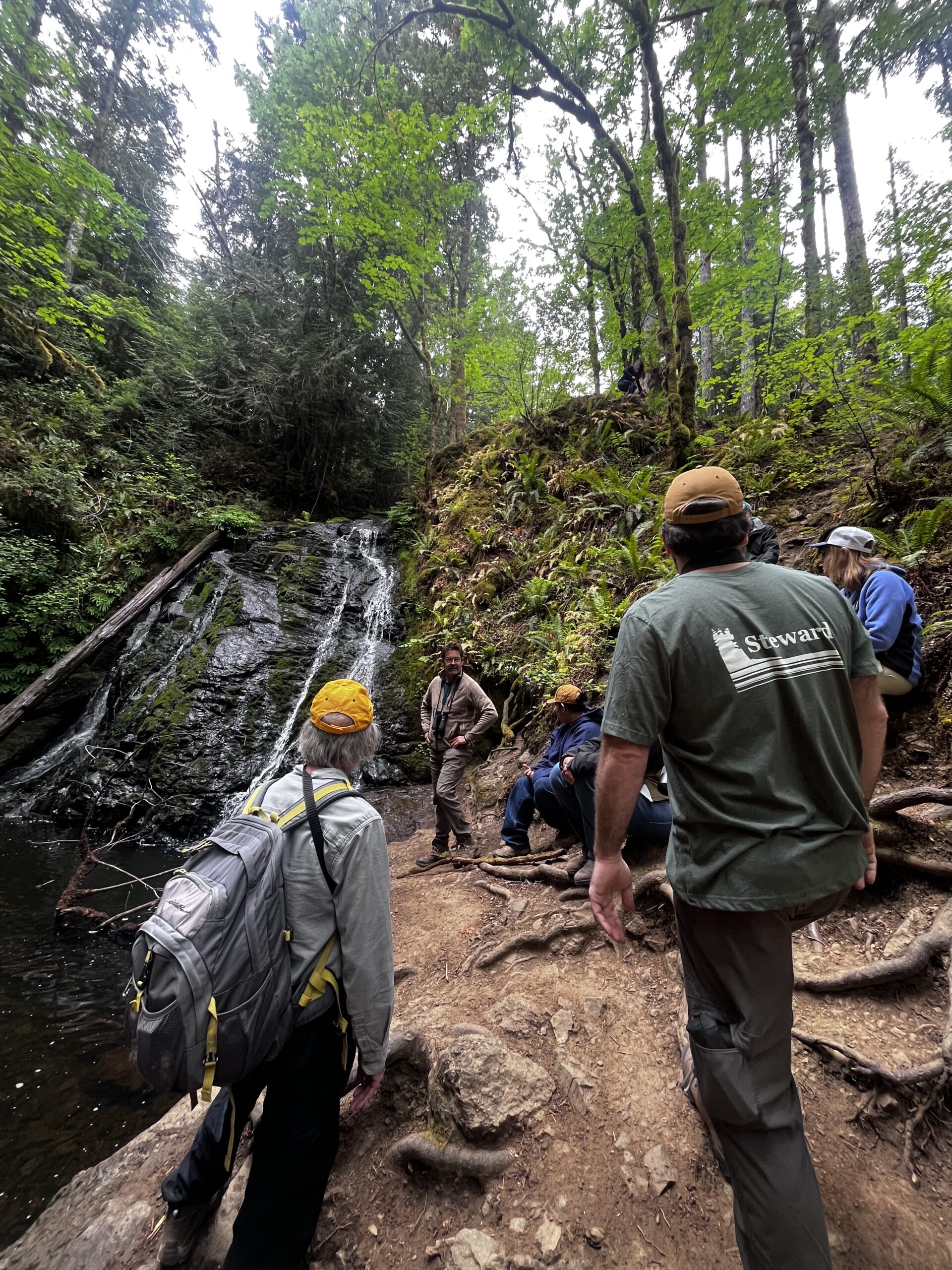
Ueland Tree Farm is a privately owned but publicly accessible property in Kitsap County, just 15 minutes west of Bremerton. Gabriel Newton, Community Engagement Manager for the Great Peninsula Conservancy, leads a walk and talk tour to Dickerson Falls that includes tips on how to be a naturalist and environmental educator.
Wenatchee Shrub Steppe
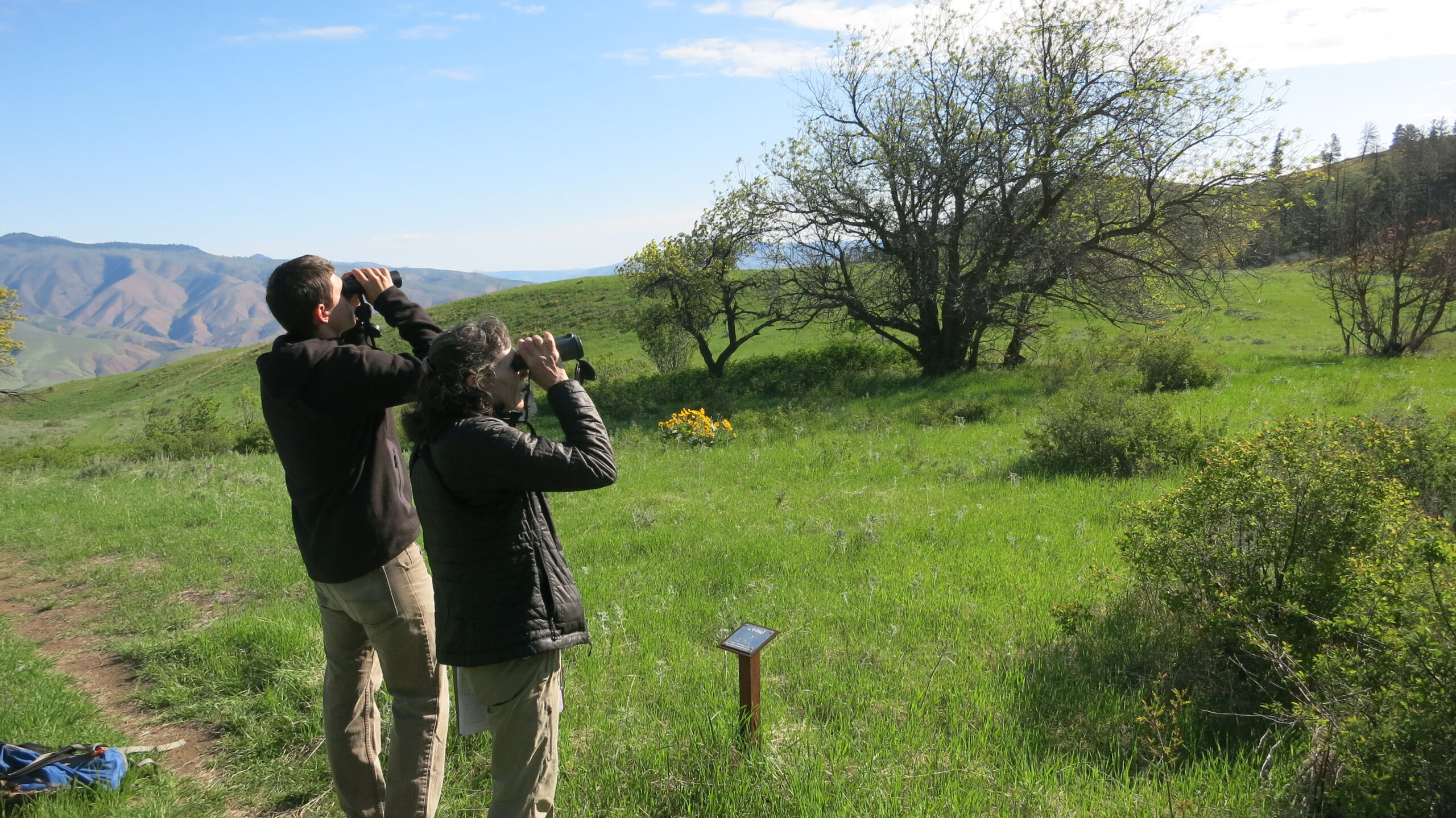
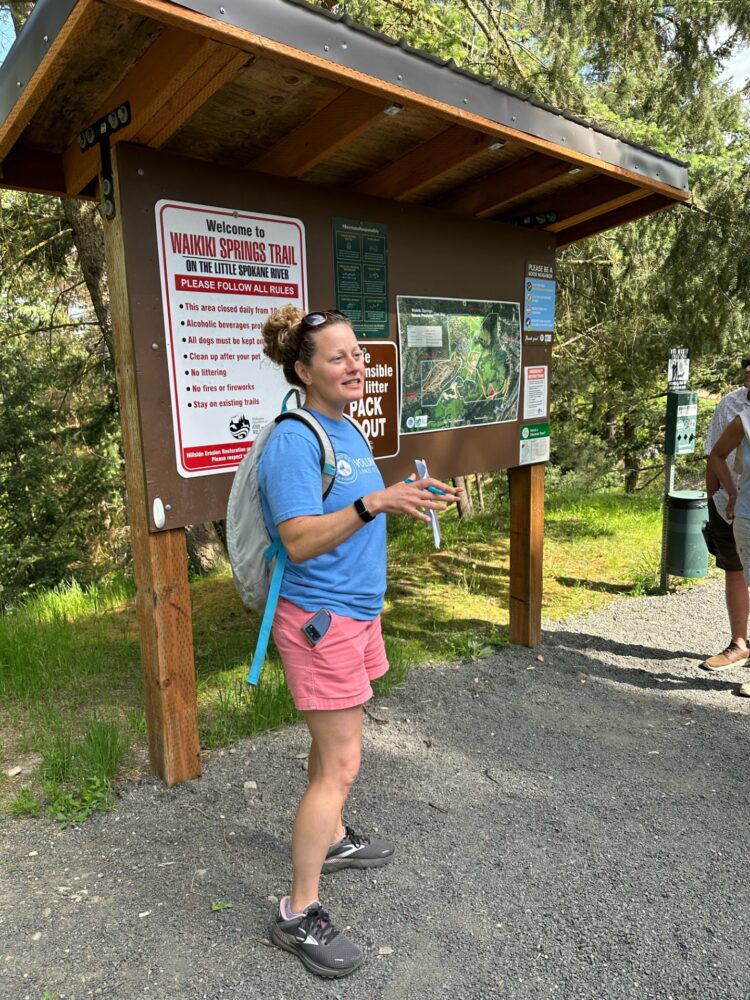
This field tour is led by naturalist Susan Ballinger, who takes participants on a journey through the sagebrush grasslands in the Wenatchee foothills. Attendees also explore some Columbia Basin geography and geology while hiking along the Columbia River riparian area.
Organizations that offer field learning opportunities by county
Located in north central Washington, the Chelan-Douglas Land Trust (CDLT) engages the community to conserve and care for natural areas and waters to improve access for all. This organization offers trail access on the lands they steward, work with landowners to conserve properties in the area, and provide a myriad of education and stewardship opportunities for youth and adults.
Located just outside the historic town of Coupeville on Whidbey Island, the Pacific Rim Institute encompasses acres of prairie, old-growth forest, and a native plant nursery. Learn about their restoration efforts and ecosystems of the Pacific Northwest by attending one of the field tours or events they offer on their calendar. Plus, you can always schedule a tour through their website.
Based in Kingston, WA, they use the Carpenter Creek watershed to educate people on the ecological interactions between humans and the environment. They give public tours of the Carpenter Creek salt marsh where you can study the estuary plants, animals, and restoration efforts through hands-on activities.
This organization protects over 1,400 acres of habitat in the Puget Sound ecosystem. They work with private landowners to create conservation easements, and also acquire land for preserves, parks, trails and public use. You can view their events page to see different walks and volunteer work parties you can participate in.
An environmental education nonprofit with a 250-acre campus on Bainbridge Island. Their website has a calendar of events, ranging from hikes in the Olympics to trail walks through their property. They provide tours consisting of shoreline explorations and other ventures into the ecosystems of the PNW.
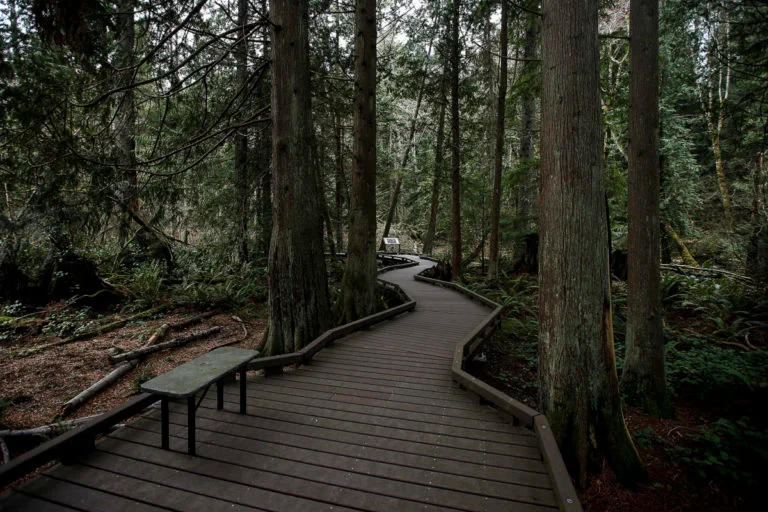
Located in southern Everett, the Northwest Stream Center offers and educational and self-guided elevated natural trail through several PNW ecosystems. The boardwalk is ADA accessible and made of recycled lumber, and interpretive signs will teach you about northwest ecology. There is also a trout stream exhibit where you can take a glimpse underwater through two viewing windows. The Center also offers many classroom and field courses as well as volunteer opportunities.
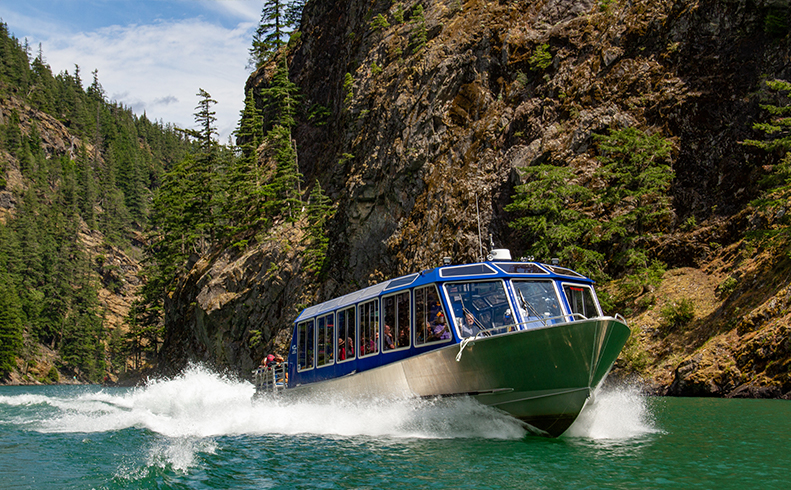
The North Cascades Institute connects people and nature through science, art, literature and the firsthand exploration of the natural and cultural history of the Pacific Northwest. This organization offers boat tours, field trips, and courses around the Northern Cascades, including on Diablo Lake (for a fee) that feature education on the area’s natural history, biodiversity and geology, as well as the unique relationship between the North Cascades environment and the Skagit River Hydroelectric Project
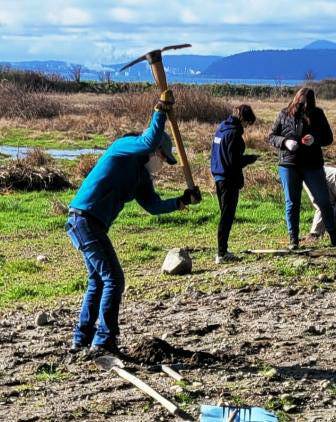
The Skagit Land Trust stewards over 10,000 acres of wildlife habitat and agricultural lands in Skagit County through volunteer opportunities like tree plantings, invasive species removal, trail maintenance, and community science monitoring. They host events like hikes and work parties.
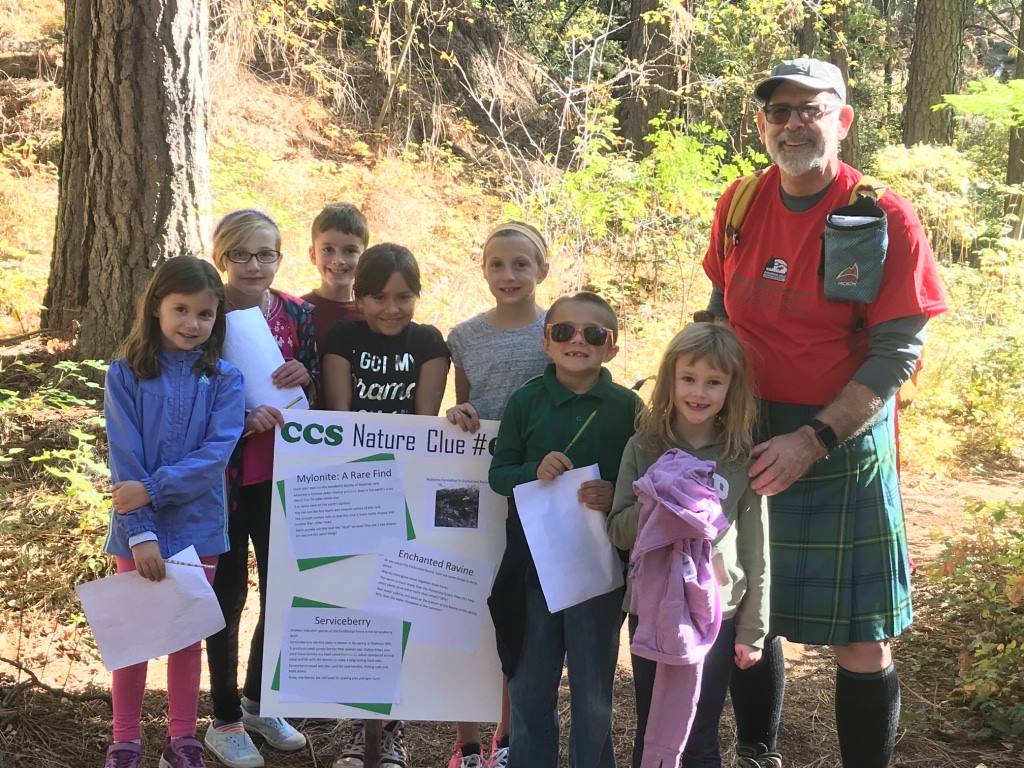
The DHC is one of our partner organizations, which provides educational opportunities through programs like Kids in the Hills which caters to elementary students. Students learn about nature in the classroom, and then go out into the field to do hands-on work in geology, forestry, pond ecology, and wildlife biology. Additionally, they offer guided hikes and nature walks to adults include presentations from local experts on conservation and other related topics. These are offered for free or at low-cost to the public.
With their office located in Spokane, they serve several natural areas in eastern Washington and western Idaho. They have volunteer opportunities to steward their protected areas, as well as guided hikes through their various nature preserves.
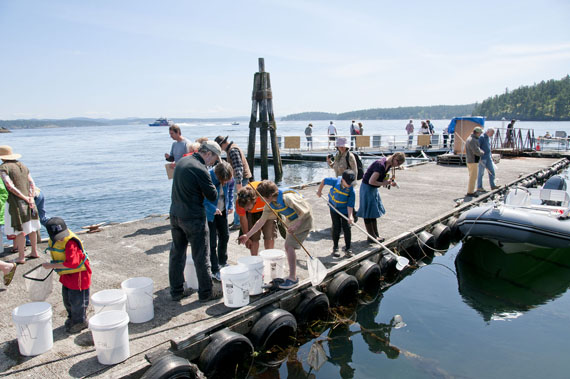
FHL is a renowned research facility located on the island of San Juan amongst the tideway, lagoons, and bays. They host an annual open house each spring where folks can meander about the campus and experience touch tanks, science demonstrations, seaweed pressing, a science speaker series, scuba demonstrations and more. They will also host other tours throughout the year, so keep an eye out for those.
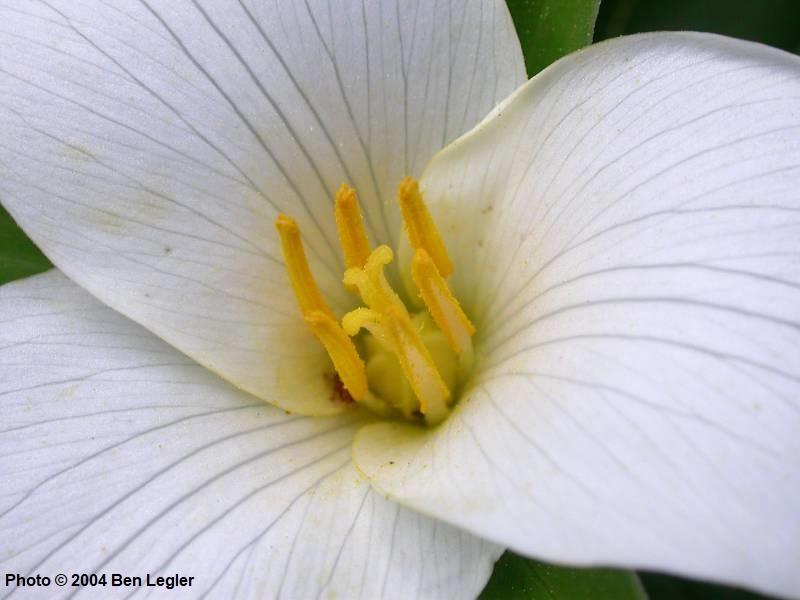
The Washington Native Plant Society (WNPS) has 12 chapters across the state that organize over 100 field trips each year. Find your area’s chapter to discover your local native plants and learn to identify them.